
Narrative Transportation:
The Science of Writing an Immersive Read
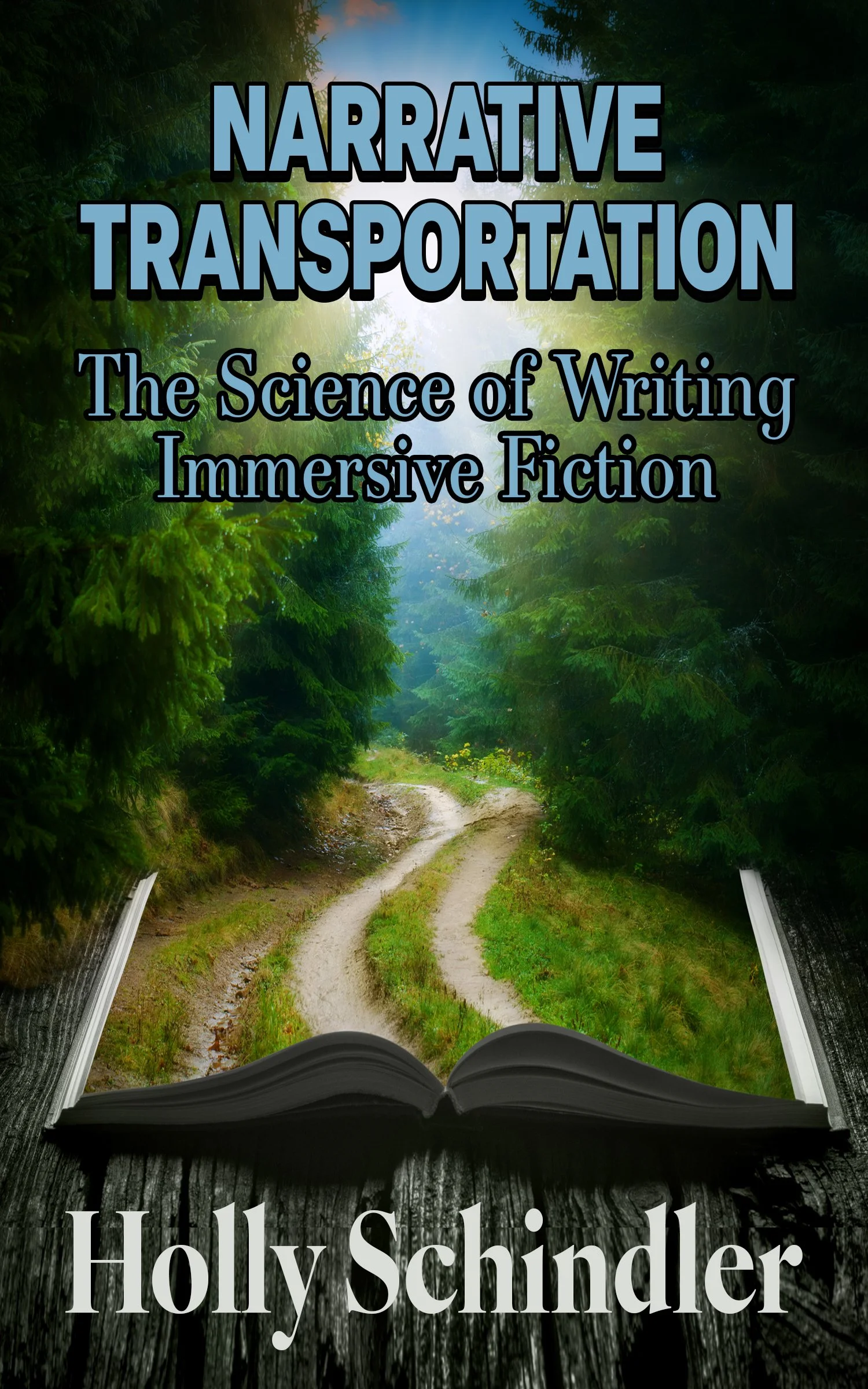
Some books are magic. They pull readers in so deeply, the real world ceases to exist at all. The fictional world is no mere backdrop; it’s a place the reader’s feet have somehow tread. The main character doesn’t feel like a story vehicle but a friend. The plot becomes a lived experience.
The good news is, this isn’t a magic trick that happens by accident. It’s a magic trick that any author can learn, whether they’re a first-time novelist or a mid-career author looking to level up their writing process. A trick any author can pull off without fail each time they write a new novel…and it all begins with understanding narrative transportation.
This essential craft book explores:
Literature as a collaborative art (your reader is not a passive audience member but a co-creator)
The ways in which neurological systems such as mirror neurons, the Default Mode Network, and the social brain contribute to your reader’s ability to simulate the fictional world
How to write details that captivate the reader, whether they are visual or conceptual thinkers
This reference breaks novel construction into three manageable sections, addressing how to create:
Sensory-rich worldbuilding that orients your reader right from the beginning
Character arcs that feel authentic regardless of whether or not the reader finds the protagonist relatable
Plot structure that sustains tension and re-engages the reader at the midpoint
In addition, each of these sections also contains detailed diagnostics and troubleshooting
When you fully understand the mechanics behind the “magic trick” of writing immersive fiction, you can stop struggling with the drafting process. Writing becomes enjoyable, not a slog. You too can write a deeply immersive read right from the very first draft. You can craft novels that turn readers into lifelong fans.